
How to Choose the Most Comfortable Seats for Travel Long-Hau

A global guide to choosing the right airline, aircraft and seat
When planning a long-haul flight, most travelers focus on finding the lowest ticket price. However, on flights lasting eight to fifteen hours, the most important factor affecting the experience is usually not the price but the seat space and cabin configuration.
The difference between arriving rested or exhausted often depends on three main variables: seat pitch, seat width and cabin layout. Understanding these elements can dramatically improve the way travelers choose their flights.
What Seat Pitch Really Means
The most widely used measurement in the airline industry to compare seating comfort is known as seat pitch. Seat pitch refers to the distance between a point on one seat and the same point on the seat in front of it. Although it does not represent the exact legroom available, it is the most reliable industry standard used by airlines and analysts to evaluate cabin comfort.
Today the global average seat pitch in economy class typically ranges between 30 and 32 inches. This may not sound particularly restrictive until it is compared with the standards of the 1970s, when the distance between seats was closer to 35 inches. Over the decades airlines have gradually reduced seat spacing in order to increase capacity and improve operating economics. This gradual change explains why many travelers feel that flying in economy class has become progressively less comfortable.

Global Ranking of Airlines with the Most Comfortable Economy Seats
Although seat pitch varies depending on the aircraft used, several airlines consistently offer more generous seating than the global average.
Air Premia has attracted attention in recent years for offering one of the most spacious economy cabins in the industry. On certain Boeing 787 aircraft the airline offers up to 35 inches of seat pitch, placing it among the most comfortable economy class products available today.
Japan Airlines has long maintained a strong reputation for passenger comfort. Its Sky Wider seat design provides approximately 33 to 34 inches of pitch along with slightly wider seats than many competitors. The airline has intentionally designed its cabins to maintain comfort rather than maximizing seat density.
All Nippon Airways, widely known as ANA, also offers around 34 inches of seat pitch on many of its long haul aircraft. Emirates similarly maintains generous seating standards across several aircraft types including the Airbus A380 and Boeing 777 where seat pitch often approaches 34 inches.
Singapore Airlines has built a global reputation for balancing service, comfort and aircraft design. Depending on the aircraft type, seat pitch generally ranges between 32 and 34 inches. Qatar Airways also ranks among the better options globally. Although seat pitch is often closer to 32 inches, the airline compensates with wider seats and a high quality cabin product.
Among airlines based in the United States, JetBlue stands out for offering one of the most spacious economy cabins in the country. Its Airbus A320 and A321 aircraft typically offer around 32 inches of seat pitch. Southwest Airlines also provides relatively generous spacing compared with other domestic carriers, with seat pitch commonly between 31 and 32 inches.
Regional Differences in Airline Comfort
Comfort standards vary significantly depending on the region of the world.
Asia consistently leads global rankings in economy class comfort. Airlines such as Japan Airlines, ANA, Singapore Airlines and Korean Air maintain cabin layouts that prioritize passenger experience and service quality. These carriers often compete not only on pricing but on the overall travel experience, which includes maintaining more generous seat spacing.
The Middle East also stands out for investing heavily in passenger comfort. Emirates, Qatar Airways and Etihad Airways operate modern fleets and focus strongly on cabin design and onboard experience. Long haul routes in this region frequently feature newer aircraft with thoughtfully designed cabins.
In North America airlines often prioritize operational efficiency and competitive pricing. This approach has led to denser seating configurations across much of the industry. However, airlines such as JetBlue, Southwest Airlines and Delta Air Lines still maintain more comfortable seating arrangements than many ultra low cost carriers.
Europe presents a mixed landscape. On long haul flights airlines such as Turkish Airlines, Air France and KLM offer relatively comfortable economy cabins with modern aircraft and well designed seating. On short haul routes within Europe, however, seating is usually more compact due to the shorter duration of flights and the high frequency of travel between major cities.
Latin America offers another unique aviation landscape. Airlines in the region have grown rapidly over the past two decades, and competitive pricing pressures have often resulted in denser cabin configurations. As a result, economy seating on many routes within Latin America can feel tighter than the global average.
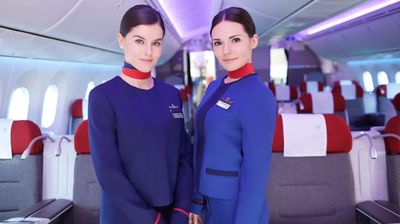
Despite these challenges, several airlines in the region still offer solid long haul experiences. LATAM Airlines, the largest airline group in Latin America, operates modern Boeing 787 Dreamliner and Airbus A350 aircraft on many international routes. These aircraft provide quieter cabins, improved air pressure systems and a generally more comfortable environment for long distance travel.
Avianca has also historically maintained competitive long haul cabins, particularly on its Boeing 787 fleet. Although recent cost restructuring has led to more efficient cabin layouts, the Dreamliner remains one of the most comfortable aircraft used for long distance travel in the region.
Copa Airlines, based in Panama, has built a strong reputation for operational reliability and efficient connections throughout the Americas. While its fleet is primarily composed of Boeing 737 aircraft used on medium haul routes, the airline consistently delivers a dependable and comfortable experience for regional travel.
In Brazil, Azul has gained recognition for focusing on passenger experience. On certain aircraft the airline offers slightly more generous seat pitch than many regional competitors, particularly on Airbus and Embraer models used on domestic and international routes.
For travelers flying within Latin America or between the region and other continents, the aircraft type becomes particularly important. Newer aircraft such as the Boeing 787 and Airbus A350 typically offer a noticeably better experience than older wide body aircraft.
The Aircraft Matters as Much as the Airline
One of the most overlooked factors in flight comfort is the aircraft itself. The same airline can offer very different seating experiences depending on which aircraft operates the route.
The Boeing 787 Dreamliner is one of the most common aircraft used for long haul routes today. Many airlines configure economy cabins in a 3 3 3 layout. However, Japan Airlines uses a 2 4 2 configuration on some of its Dreamliners, which allows noticeably wider seats and more personal space.
The Airbus A350 is widely considered one of the most comfortable long haul aircraft currently in service. Its quieter cabin, improved humidity levels and better cabin pressure can significantly reduce fatigue during long flights.
The Airbus A380, the largest passenger aircraft ever built, also tends to provide a more spacious cabin environment. Airlines such as Emirates and Singapore Airlines have designed their A380 cabins to maximize comfort and create a more open feeling for passengers.
The Boeing 777 illustrates how configuration can dramatically affect comfort. Some airlines use a 3 3 3 seating arrangement, while others have adopted a 3 4 3 layout that adds an extra seat in each row. This change may appear minor but it significantly reduces seat width and personal space.

Choosing the Best Seat in Economy Class
Selecting the right seat can significantly improve the comfort of a long flight. Exit row seats are often among the most desirable because they provide additional legroom, allowing passengers to stretch more comfortably during long journeys. However, these seats come with certain limitations. Carry on baggage cannot be stored under the seat in front and in some aircraft the seats may not recline.
Bulkhead seats, located at the front of each cabin section, offer the advantage of having no seat directly in front. This can create a sense of additional space, although screens and tray tables are usually built into the armrests. These seats may also be located near lavatories or galleys, which can result in more passenger movement during the flight.
The choice between a window seat and an aisle seat often depends on personal preference. Window seats tend to be better for sleeping, as they allow passengers to lean against the side of the aircraft and avoid disturbances from other travelers. Aisle seats provide greater freedom of movement, making it easier to stand up and walk around during long flights.
Travelers should also try to avoid the final rows of the aircraft whenever possible. These seats often have limited reclining capability and experience more passenger traffic due to their proximity to lavatories and service areas.

Strategic Tips When Choosing a Flight
Taking a strategic approach when booking flights can dramatically improve the overall travel experience. One of the most effective strategies is reviewing the aircraft seat map before purchasing a ticket. Tools such as SeatGuru or AeroLOPA allow travelers to see the actual configuration of an aircraft, including seat spacing, seat width and the location of potentially noisy areas.
It is also important to verify the specific aircraft operating the route. Even within the same airline, different aircraft can offer very different levels of comfort. For flights lasting longer than ten hours many travelers find that upgrading to premium economy can significantly improve the journey. This cabin class typically provides five to seven additional inches of seat pitch along with wider seats and improved reclining capability.
Conclusion
For long haul flights the quality of the travel experience depends far more on seat ergonomics, cabin layout and aircraft design than on the price of the ticket. Choosing the right airline, aircraft and seat can dramatically change how comfortable a journey feels.
Asian airlines such as Japan Airlines and ANA continue to lead global rankings for economy class comfort, while airlines in other regions often balance comfort with operational efficiency and competitive pricing. Understanding these differences allows travelers to make more informed decisions and significantly improve their long distance travel experience.
After more than eight million miles flown across dozens of airlines and aircraft around the world, one thing becomes clear: not all flights are created equal. Small differences in seat pitch, aircraft design and cabin philosophy can dramatically shape the experience of a long journey.
This firsthand perspective is part of how SAB Travel designs travel recommendations for its clients. Luxury travel does not begin at the destination or at the hotel. It begins the moment you board the aircraft. Choosing the right airline and the right seat is often the first step toward creating a truly exceptional travel experience.
